Source lawn garden bag for Yard, Garden, and Agriculture
Compare 30 lawn garden bag options from verified Chinese suppliers. Buyers can review capacities ranging from 50L to 720L, materials like PP and Oxford, and features such as waterproof and folding designs for various outdoor tasks.
Key considerations
Products List
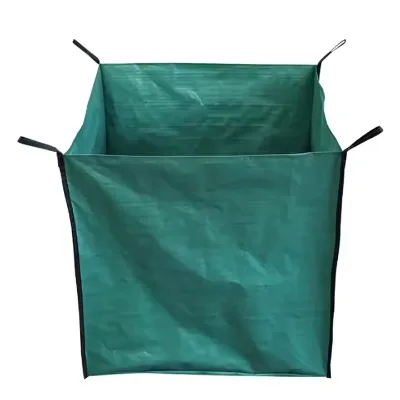
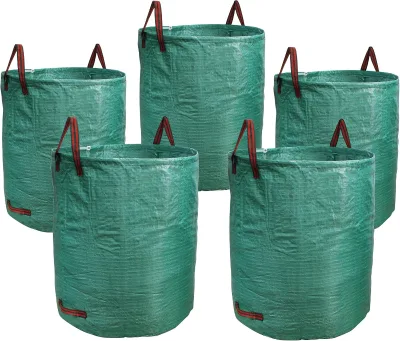
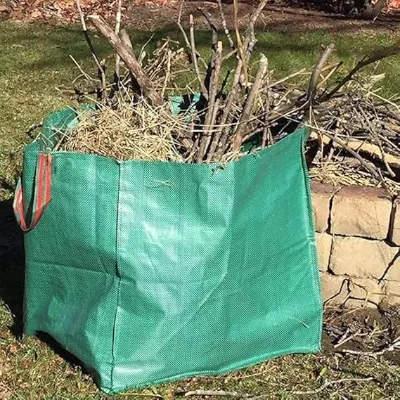




Comprehensive Sourcing Guide
Strategic Sourcing Guide for Lawn Garden Bags
Understanding Product Specifications and Material Composition
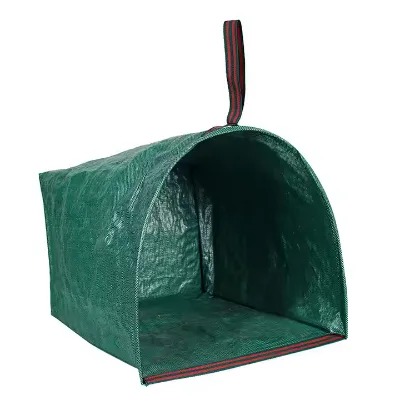
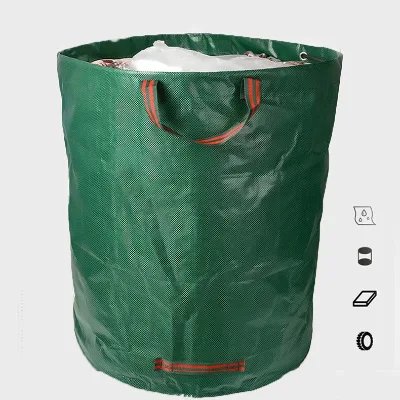
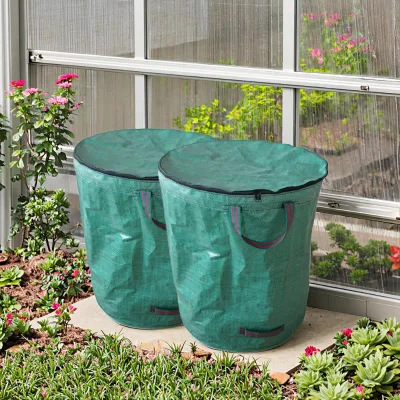
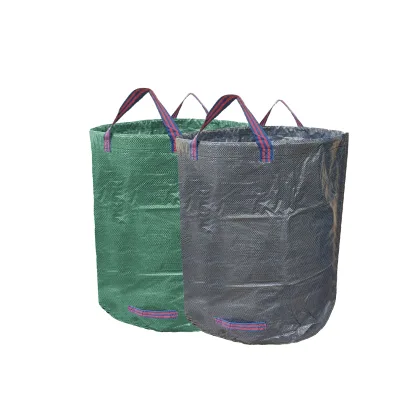
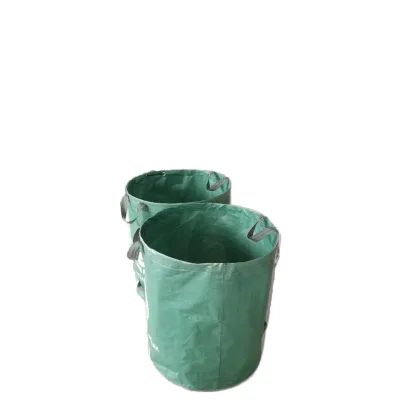
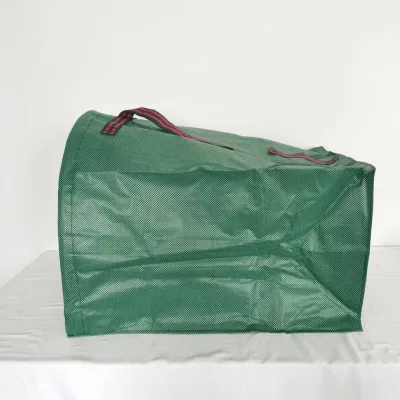
When sourcing lawn garden bags, buyers must first establish a clear understanding of the technical specifications that define product performance. The market offers a diverse range of configurations, primarily driven by the intended application space, which typically includes yards, gardens, and agricultural settings. A critical observation from current product data indicates that these items are frequently categorized by their form, with "Bag Compression Type" and "Half Cylinder" shapes being prominent design choices. The physical dimensions vary significantly to accommodate different waste volumes, with specific models offering capacities ranging from 50 liters to as high as 720 liters.
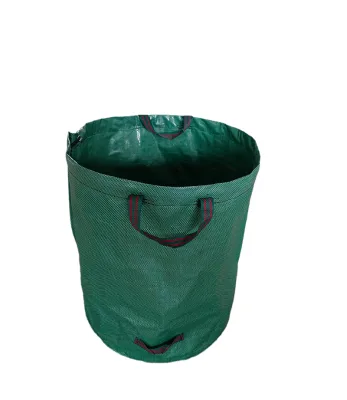
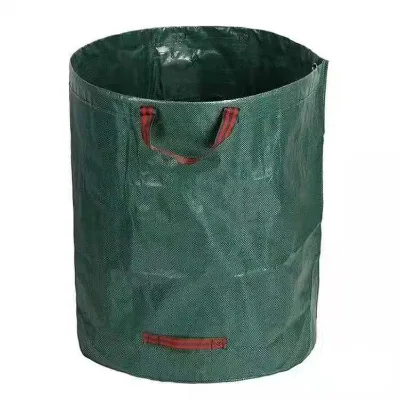
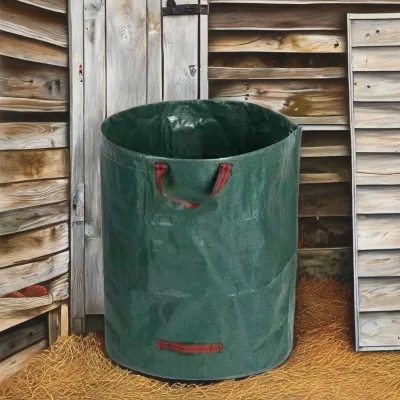
Material composition is a primary determinant of durability and functionality. The supplied data highlights Polypropylene (PP) as a dominant material, often used in conjunction with Polyethylene (PE) or Oxford fabric. This combination suggests a focus on creating bags that are both flexible and resistant to tearing. The plastic type is explicitly noted as PP in several listings, which is a standard choice for heavy-duty applications due to its chemical resistance and tensile strength. Buyers should verify that the specific material grade used by a supplier aligns with the intended load weight, as the "Heavy Duty" attribute is a common selling point. Furthermore, the "Folding" capability is a standard feature, allowing for compact storage when the bags are empty. This is supported by single package sizes that are relatively small, such as 22.0 x 20.0 x 3.0 cm, indicating efficient logistics for empty inventory.
The following table outlines the observed capacity and dimensional variations found in the current market, which serves as a baseline for specification verification:
| Capacity Range | Typical Dimensions (Approximate) | Shape/Form | Material Composition |
|---|---|---|---|
| 50 L - 128 L | Diameter 45 cm x Height 32-65 cm | Cylindrical | PP, PE, Oxford |
| 125 L - 270 L | 50x50x50 cm to 65x65x65 cm | Cubic/Half Cylinder | PP |
| 272 L - 720 L | 67x76 cm to 90x90x90 cm | Large Cylinder | Polypropylene |
Compliance, Certification, and Environmental Standards
In the realm of B2B procurement, compliance and environmental standards are increasingly critical, especially for products labeled as "Eco-Friendly" or "Sustainable." While the provided data mentions these attributes, buyers must treat them as observations rather than guaranteed certifications. There is no explicit mention of third-party testing results or specific international standards (such as ISO or ASTM) in the supplied facts. Therefore, the procurement strategy must include a rigorous verification process where the buyer requests documentation proving these claims.
Buyers should specifically inquire about the recyclability of the PP and PE materials used. Since the product is often used for organic waste like leaves and garden debris, the material must not leach harmful substances into the soil or compost. The "Eco-Friendly" claim should be backed by evidence of the manufacturing process, such as the use of recycled content or non-toxic dyes. Additionally, the "Green" and "Green + Black" color options suggest the use of pigments that may require scrutiny for environmental safety.
Regarding certifications, the absence of listed standards in the source data means that buyers cannot assume compliance with specific regulations. Instead, the procurement team should mandate that suppliers provide test reports for tensile strength, tear resistance, and UV stability. For products claiming to be "Waterproof," buyers should verify the specific testing methods used to ensure the material does not degrade when exposed to moisture over time. The "Surface treatment" noted as "Drawing" in some listings may refer to printing or coating processes; these should be evaluated for chemical safety and adhesion durability.
Cost Drivers and Pricing Dynamics
The cost of lawn garden bags is influenced by several variables, including material weight, capacity, and manufacturing complexity. The observed price range in the market spans from $0.03 to $18.08 USD, a significant variance that reflects differences in size, material thickness, and brand positioning. The lower end of this spectrum likely corresponds to smaller capacity bags (e.g., 50-60 liters) made with thinner gauge PP, while the higher end represents large-volume bags (e.g., 270-720 liters) with reinforced structures.
Minimum Order Quantity (MOQ) is another critical cost driver. The data indicates an MOQ range of 1 to 1000 units, with specific instances showing 2 pcs, 5 pcs, or higher. For small businesses or those testing a new product line, the ability to order low quantities is a significant advantage. However, larger orders typically unlock better unit pricing. The "Sample: Samples Provided Freely" attribute suggests that suppliers are willing to let buyers evaluate the product before committing to large volumes, which can reduce the financial risk of sourcing.
Logistics costs also play a role in the total landed cost. The single gross weight ranges from 0.130 kg to 0.262 kg, and the folded package sizes are compact. This efficient packaging allows for higher container utilization, potentially lowering shipping costs per unit. Buyers should calculate the cost per liter of capacity rather than just the unit price to ensure they are getting value. For instance, a 720-liter bag at $18.08 offers a different value proposition than a 60-liter bag at $0.03, even if the unit price seems higher.
Typical Applications and Usage Scenarios
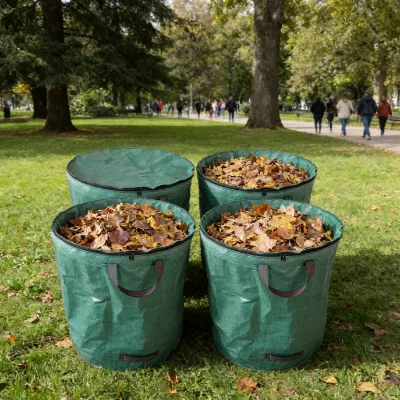
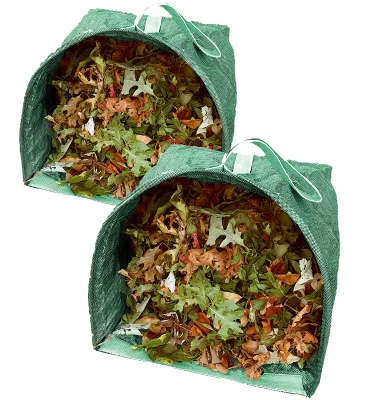
The versatility of lawn garden bags is evident in their diverse application spaces. The primary use cases include residential gardening, commercial landscaping, and agricultural waste management. The "Application" field lists Home, Garden, Agriculture, Flower, Landscape, and Decorate, indicating that these bags serve multiple functions beyond simple waste collection. They are utilized for storing leaves, garbage, and other organic debris, as well as for supporting plants and general garden work.
The "Heavy Duty" and "Waterproof" features make these bags suitable for wet weather conditions, where standard paper or thin plastic bags might fail. The "Easy Cleaned" attribute is particularly valuable for users who need to reuse the bags for different types of waste, such as switching from dry leaves to wet grass clippings. The "Folding" design ensures that the bags can be stored in small spaces when not in use, a crucial feature for home gardeners with limited storage.
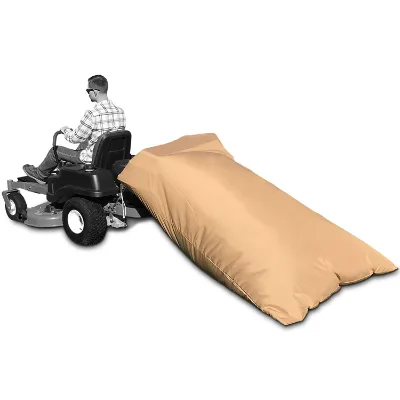
In agricultural settings, the larger capacity options (up to 720 liters) are essential for handling bulk waste efficiently. The "Customized Shape" option allows for specialized applications, such as bags designed to fit specific machinery or to stand upright without a frame. The "Simple" style and "Logo: acceptable" attribute suggest that these products can be branded for landscaping companies, adding a professional touch to their service offerings.
Supplier Evaluation and Selection Criteria
Selecting the right supplier requires a thorough evaluation of their capabilities and reliability. The data indicates that suppliers are located in regions such as Henan and Jiangsu, China. While these locations are known for manufacturing, buyers should not assume uniform quality across all suppliers in these regions. Instead, the evaluation should focus on the specific attributes provided by each potential partner.
Key evaluation criteria include the consistency of product specifications, such as the "Single package size" and "Single gross weight." Discrepancies in these metrics can indicate quality control issues. Buyers should also assess the supplier's ability to provide samples, as the "Samples Provided Freely" attribute is a positive indicator of confidence in their product. The "Useage: 1year" claim suggests a standard product lifespan, but buyers should verify this through real-world testing or customer references.
The "Brand Name" field shows variations like "HUIHE" and "FREEDOM," indicating that some suppliers offer private labeling or have established brand identities. For buyers seeking to build their own brand, the "Logo: acceptable" and "Customized Shape" options are vital. Suppliers who offer these customization services are likely more flexible and capable of meeting specific client requirements. Additionally, the "Key Feature" attributes, such as "different size to choose" and "large capacity," should be verified to ensure the supplier's catalog matches the buyer's needs.
Quality Control and Long-Term Procurement Considerations
Implementing a robust quality control (QC) process is essential for maintaining product integrity. Given the "Heavy Duty" and "Durable" claims, buyers should establish clear acceptance criteria for tensile strength and seam integrity. The "Surface treatment" of "Drawing" should be inspected for consistency and durability, ensuring that logos or patterns do not peel off during use. Regular sampling and testing of the "PP" and "Oxford" materials can help detect variations in thickness or composition that might affect performance.
Long-term procurement considerations involve building a sustainable supply chain. The "Eco-Friendly" and "Sustainable" attributes suggest that environmental responsibility is a growing market expectation. Buyers should prioritize suppliers who can demonstrate a commitment to sustainable practices, such as using recycled materials or reducing waste during production. The "1year" usage life is a baseline; however, for commercial clients, longer-lasting products may be required to reduce replacement frequency and total cost of ownership.
Furthermore, the "Model Number" variations (e.g., HE18, 72gallon) indicate a need for clear inventory management. Buyers should ensure that their suppliers maintain consistent model numbering and that specifications do not change without notice. The "Selling Units: Single item" attribute suggests that the product is often sold individually, which simplifies inventory tracking but may require careful forecasting to avoid stockouts.
In conclusion, sourcing lawn garden bags requires a balanced approach that considers technical specifications, material quality, cost efficiency, and supplier reliability. By leveraging the observed data and conducting thorough due diligence, buyers can secure a supply chain that meets their operational needs while adhering to quality and environmental standards. The diverse range of capacities and features available in the market provides ample opportunity to find products that align with specific application requirements, from small residential gardens to large-scale agricultural operations.
FAQs
What materials are used for lawn garden bags?
These bags are primarily made from Polypropylene (PP), often combined with Polyethylene (PE) or Oxford fabric. This material selection ensures the product is heavy duty, waterproof, and suitable for storing leaves and garden waste in various conditions.
Which capacity options are available for these bags?
Available capacities range widely from 50 liters up to 720 liters to suit different needs. Specific models include sizes like 60 liters, 125 liters, 270 liters, and large 720-liter options for bulk agricultural or landscaping waste collection.
Can I order samples before placing a bulk order?
Yes, suppliers typically provide samples freely to allow buyers to evaluate product quality. This practice helps verify attributes like folding capability, waterproof performance, and material durability before committing to larger purchase volumes.
How does the folding feature benefit storage?
The folding design allows empty bags to be compressed into compact shapes for easy storage. Single package sizes are small, such as 22 by 20 centimeters, making them efficient to store in yards or garden sheds when not in use.
What is the minimum order quantity for these bags?
Minimum order quantities vary by supplier but can be as low as 2 pieces or 5 pieces. Some listings indicate an MOQ of 1000 units, so buyers should check specific vendor terms to find options matching their volume requirements.
Are these bags suitable for wet weather conditions?
Yes, the bags are designed to be waterproof and heavy duty for use in wet weather. This ensures they can handle wet grass clippings and leaves without leaking or degrading during outdoor garden work or agricultural waste management.